
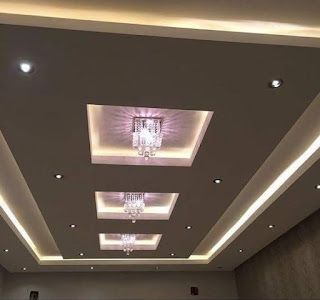
False ceilings have become an integral part of home construction adding beauty to the home along with keeping away excess heat, cold and noise from your abode. These are also essential for concealing electrical wires and installing a central air-conditioning system. However, a false ceiling can be durable only when a quality material is chosen. Click here ceiling designs for different types of false ceiling designs. Gypsum boards and Plaster of Paris (P.O.P) are two of the most commonly used materials for creating a false ceiling. While both have gypsum as a base, the two are different from each other. Here we list the pros and cons of these two false ceiling materials to help you make a guided choice.
Let’s first look at how they are used to make false ceilings
HOW P.O.P (PLASTER OF PARIS) AND PLASTER BOARD ( GYPSUM BOARD) ARE MADE TO FORM FALSE CEILINGS.
1. P.O.P false ceilings are made of P.O.P powder. The P.O.P powder is applied on chicken mesh that provides mechanical strength. The P.O.P powder is mixed with water on site and then applied on the mesh that is attached to local metal framing system; there is a high chance of wastage during this process. Once dried it creates a P.O.P false ceiling.
2.Plaster board false ceiling is made using gypsum plasterboard’s, fixed with screw to metal frame connected to soffit. The joints are finished using jointing compound. Installing gypsum plasterboard is a faster process.
THE PROS AND CONS OF POP AND PLASTER BOARD.
1. P.O.P
Pros
a) POP is highly durable and can sustain for years without any wear or tear.
b) Unlike gypsum boards, P.O.P can be moulded in various designs and is flexible to apply on the corners.
c) POP is also 20-40 per cent cheaper than gypsum boards.
Cons
a) Until and unless skilled labour is working on a P.O.P design, the finesses with which gypsum boards are manufactured cannot be achieved.
b) In case of P.O.P, there is a lot of wastage of mixture. It can make the site messy.
c) The P.O.P has to be perfectly dry for it to be installed
2. PLASTER BOARD
Pros:
a) Installing Gypsum false ceilings is easy, and the cleaning process is quite effortless as well.
b) The boards provide a seamless look, which means it is attached to your ceiling without too many joints
c) Since they are factory produced, the quality and consistency of the products’ finish is maintained
Cons:
a) Even though a gypsum false ceiling is quite easy to install, the whole uninstallation process can be quite tedious. If you ever have to repair the ceiling, it would mean breaking the whole thing down.
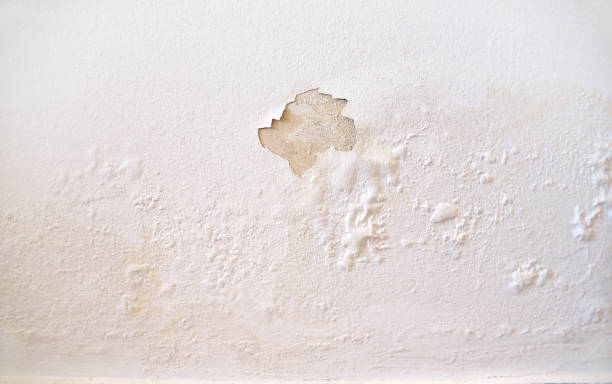
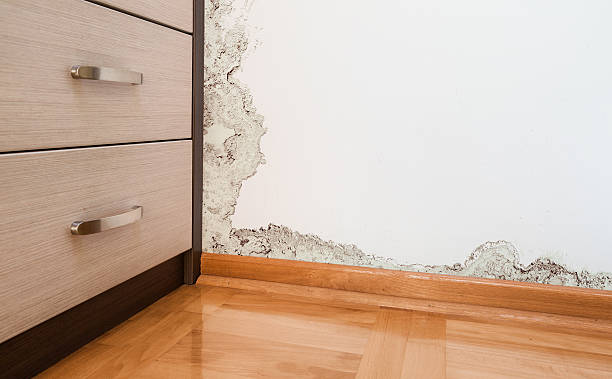
b) It’s just a matter of time before moisture seeps into the false ceiling, it can be through leaky roofs or air conditioning pipes. This can lead to fungal growth or cause the ceilings to lose their shape. To avoid this inconvenience, it’s best if you opt for moisture-resistant boards.
c) Gypsum boards cost more than P.O.P
d) As time goes on, a gypsum false ceiling may show signs of cracks around the joints. These cracks may appear due to slight movements in the false ceilings that are caused due to ceiling repair, cutting holes for light and fan fixtures, or in places where the ceiling meets the attached walls.
We hope with the above information you can make a decision on the material to use for your false ceilings.
You can contact us through our Whatsapp button or Get a Quote button if you need a professional to do your false ceiling.


 Interior Design