
We will be talking about the meaning of wall dampness, causes, and treatment respectively. First let’s look at the meaning of wall dampness.
Wikipedia defines Wall dampness or Structural dampness as ” the presence of unwanted moisture in the structure of a building, either the result of intrusion from outside or condensation from within the structure””. A high proportion of damp problems in buildings are caused by ambient climate dependent factors of condensation and rain penetration.
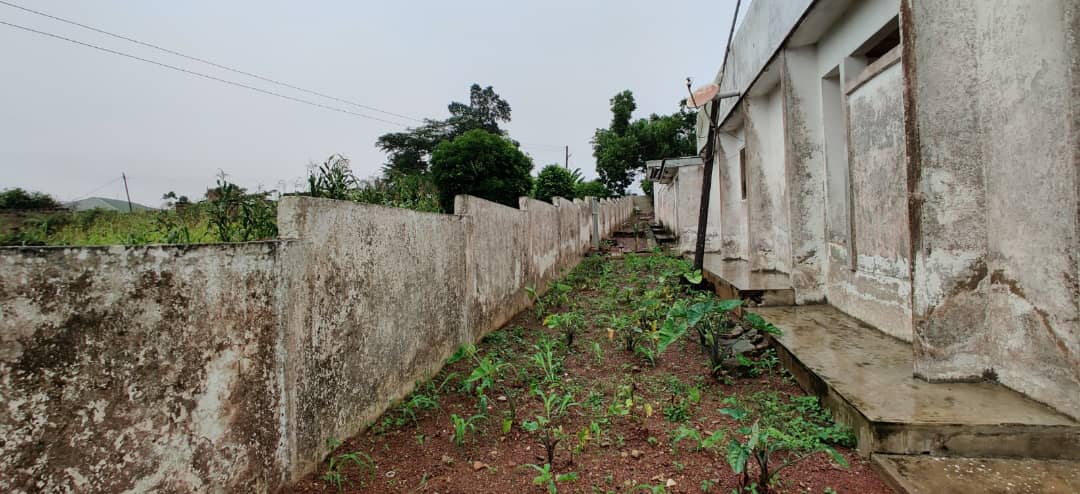
Damp walls in and around the house are a big problem facing homeowners in Ghana. Damp patches on the internal walls of your home can be a real pain as they are not only visually unappealing to look at but also the moisture and dampness on walls can cause mould.This dampness not only affects the life of the building but also creates unhygienic conditions of the important items of work in the construction of a building.
It is important to find the source of the problem and treat it as soon as possible. There are many different types of damp that can be found on walls, meaning the way to treat a particular damp problem differs too
Dampness may be caused by:
(a) Ground water
(b) Rain water and
(c) Leakages from pipes.
(a) Dampness due to Ground Water: All buildings are founded on soils. Soil holds water for a long time. Sometimes l level may rise and come in contact with foundation. Due to capillary action moisture from ground rises into foundation, floor and even in wall.
(b) Rain Water: May enter the building components due to various reasons.
(i) From wall top: If top of wall is not protected with impervious course like concrete, water can enter the wall and keep it damp for a long time.
(ii) From face of external walls: Splashing of outer wall by rain results into moisture entering the wall. Poor plaster coat is the main source of this type of dampness.
(iii) Improper fixing of downtake pipes: If downtake pipes from roof are not properly fixed, a thin layer of water stagnates near the mouth of downtake pipes. This results into entry of rain water into roof and wall.
(iv) Improper slopes to roof: In flat roofs, many times this is the cause for the dampness of roofs. If slope is not given properly, water ponds are formed on the flat roof, which results into entry of water into slab. Once water enters the slab it remains for long time creating dampness.
(v) Defective construction: Imperfect wall joints, improper slopes to chejja, construction joints in roof etc. cause dampness in buildings.
(c) Leakage From Pipes: From over head tanks, pipes are taken over roof and along the wall.
From bathrooms, toilets and kitchen water is drained out with different types of pipes. The pipes are joined to get required length and turns. Many times water leaks through joints resulting into moisture in building components.
The various defects caused by dampness to building can be summarized as under:
1. Efflorescence which may ultimately result in disintegration of bricks, stones, tiles etc.
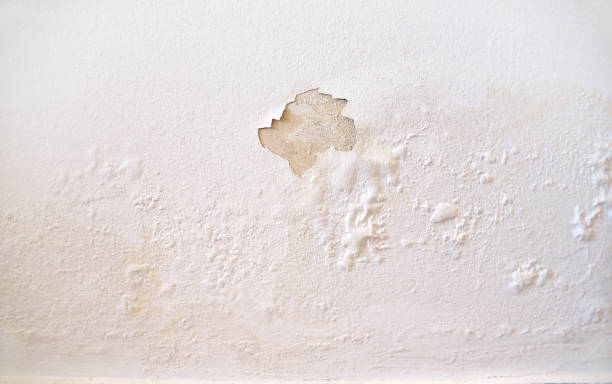
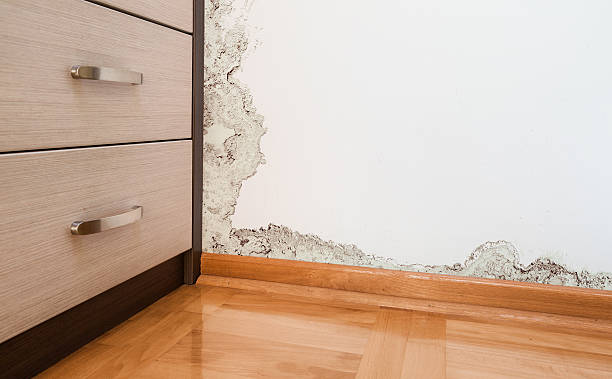
2. Softening and crumbling of plaster.
3. Bleaching and flaking of paint with the formation of coloured patches.
4. Warping, buckling and rotting of timber.
5. Corrosion of metals.
6. Cause deterioration to electrical fittings.
7. Promotes growth of termites.
8. Creates unhealthy living conditions for the occupants.
The treatment given to keep the walls, floors and basement dry is termed as damp proofing whereas the treatment given to prevent leakage of water from roof is generally termed as water proofing. We will be talking about roof leakage in our upcoming articles, but our next article dampness will be talking about the treatment of wall dampness.
 Interior Design