
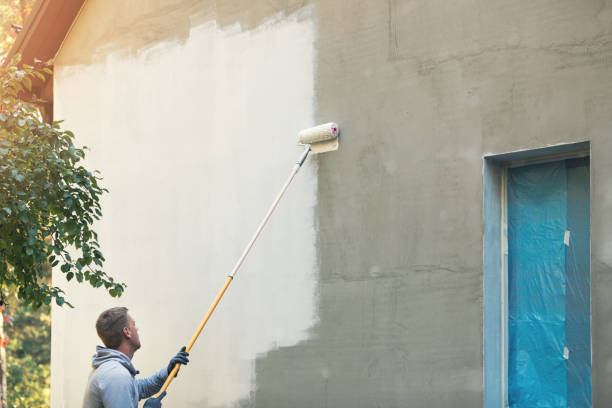
Primer is a bond, designed to seal and protect the surface and to provide a consistent base for topcoats of paint. Priming walls may seem like an extra step or extra cost in the painting process, but the benefits far outweigh the extra work or cost. Think of paint primer as a base coat that creates the foundation for a flawless paint job. From cutting down the number of coats you’ll need, to protecting your paint from wear over the years, priming actually makes your job easier in the long run. And no matter what your skill level, using a wall primer will help you achieve a professional-looking finish.
White Primer, Transparent Primer, & Grey Primer.
Primer can be tinted but the popular and recommended colors are white, transparent, and grey. Whichever colour you choose, you’ve to get the perfect base to get you started. Professionally we recommend using White and Transparent Primer for soft colours and neutral tones, and Grey Primer for deeper and darker shades of colors.
What Does Paint Primer Do?
1.Covers imperfections such as areas of your wall that may have been patched or repaired.
2. Blocks and conceals stains so they don’t bleed through your newly painted finish.
3. Provides a uniform surface for your paint to stick to. In order words it provides a chemical and physical bond between the base surface and topcoat which result to better adhesion and a longer-lasting paint job.
4. Creates a uniform base for a smooth, seamless paint application, so you can get the job done in fewer coats.
5. Neutralizes the color of your surface so when new paint is applied, the truest, most brilliant, color shines through.
When to use a primer before painting?
1. On surfaces that have never been painted before – the paint will soak into some materials, so start with a primer to use less of the colour topcoat.
2. Switching from a dark color to a lighter one.
3. If your wall has stains that you want to block (like water spots from a bathroom leak or smoke damage from a fire in a kitchen). A primer will reduce the blemishes before you apply your topcoat.
4. If you’re painting a humid area like a bathroom, which is more susceptible to mildew and leaching.
5. New or resinous wood should always be primed, for best results apply two coats.
6. On metal, a primer will help protect against rust and act as a strong foundation for subsequent coats of paint.
7. If you are painting a surface that has been skim with home charm, and you are using a Semi-Gloss paint or gloss paint. Primer will bind the paint to the surface which will prevent it from peeling.
How Many Coats of Primer Do I Need?
How much primer you need will depend on the condition of the wall or the surface of the object. If your wall or surface of the object is in good condition, and you’re not changing finishes or making a drastic color change, one coat should do the trick. Use two coats for best results if you’re painting over a darker color, a glossier paint finish, or a porous surface.
Need help figuring out how much Primer you need? Check out on “Get a quote” section on our website.
 Interior Design